
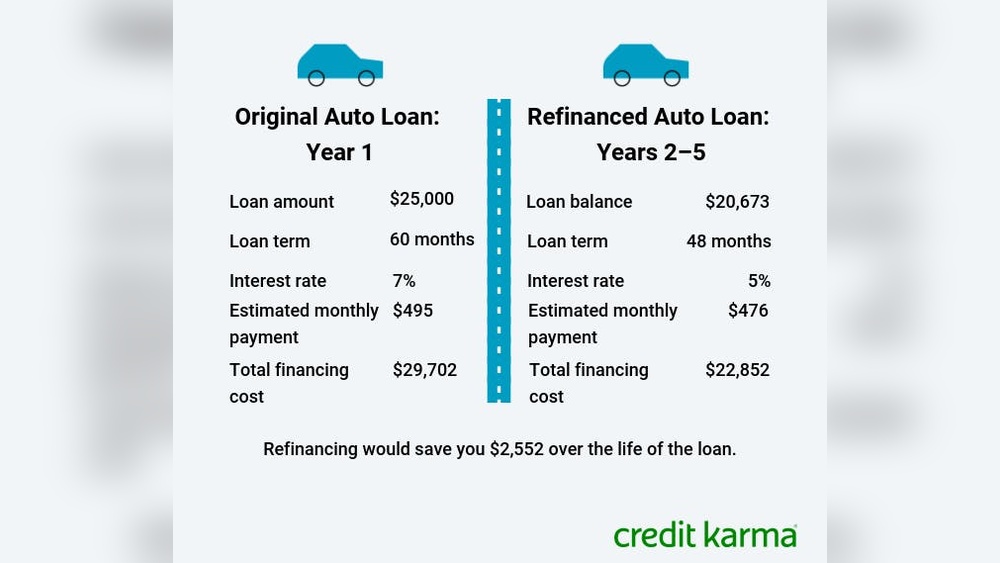
Are you paying too much on your current car loan? Imagine freeing up extra cash each month just by refinancing your car loan at a better rate.
Refinancing car loan rates can save you money, lower your monthly payments, and even help you pay off your loan faster. But how do you know if refinancing is right for you? And where can you find the best rates?
This guide breaks down everything you need to know about refinancing your car loan. Keep reading to discover simple steps that could boost your financial freedom starting today.
Current Refinance Rates
The national average refinance car loan rate is around 6.5%. Rates can change based on the lender and market conditions. Borrowers with excellent credit scores (750 and above) often see rates near 4% to 5%. Those with fair credit (620 to 699) may get rates from 7% to 10%. Loan terms also affect rates. Shorter loans, such as 36 months, usually have lower rates than longer loans like 60 months. This is because lenders face less risk on shorter terms. Choosing the right term depends on your budget and goals.
| Credit Score | Average Refinance Rate |
|---|---|
| 750 and Above (Excellent) | 4% – 5% |
| 700 – 749 (Good) | 5% – 6% |
| 620 – 699 (Fair) | 7% – 10% |
| Below 620 (Poor) | 10% and Up |
Top Lenders For Refinancing
Credit unions usually offer lower refinance rates than other lenders. They are nonprofit, so they pass savings to members. Membership may require living in a certain area or working for specific employers.
Banks provide a wide range of loan options with competitive rates. They are easy to find and trusted. Some banks offer special deals for existing customers.
Online lenders often have quick approval and flexible terms. They compare multiple offers to find the best rates fast. It is easy to apply from home using their websites.
Benefits Of Refinancing
Lower monthly payments help ease your budget. Refinancing your car loan often means you pay less each month. This frees up money for other needs or savings.
Reduced interest costs save you money over time. A lower interest rate means you pay less in total. This can reduce the length of your loan and the total amount you owe.
Improved loan terms offer more flexibility. You might get a longer repayment period or better payment options. This makes managing your loan easier and less stressful.
How To Qualify
Credit requirements usually include a credit score above 600. Lenders prefer borrowers with a steady credit history. A higher score often gets better rates.
Vehicle eligibility means your car must be in good condition. Most lenders require the vehicle to be less than 10 years old. The car’s value should be more than the loan balance.
Income and debt factors are key to approval. Lenders check your monthly income and debts. A debt-to-income ratio below 40% improves chances. Steady income shows you can make payments.
Refinance Process Steps
Start by gathering important documents. These include your current loan details, proof of income, and vehicle information. Having these ready speeds up the process.
Next, spend time comparing offers from different lenders. Look at interest rates, loan terms, and fees. This helps find the best deal for your needs.
Then, apply online with your chosen lender. The application usually asks for personal and financial details. Online applications are quick and easy.
Finally, wait for loan approval. The lender may check your credit and documents. Once approved, you will close the loan by signing papers. After that, your new loan replaces the old one.
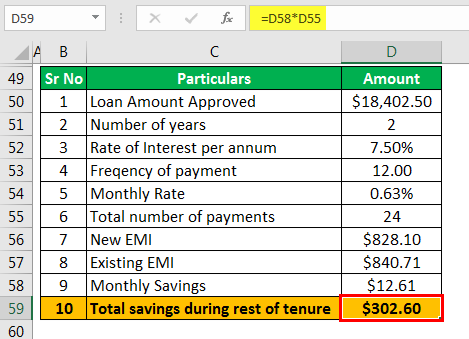
Using Refinance Calculators
Refinance calculators help estimate how much money you can save by changing your car loan. You enter your current loan details and new loan options. The calculator shows possible monthly payments and total interest costs.
You can compare different payment options side by side. For example, see how lowering your interest rate or extending your loan term affects payments. This makes it easier to pick the best plan for your budget.
Adjusting loan terms lets you test shorter or longer repayment periods. Shorter terms usually mean higher monthly payments but less total interest. Longer terms lower monthly costs but may increase interest paid over time.
Refinancing With Bad Credit
Borrowers with bad credit still have several refinance options. Credit unions and online lenders often accept lower credit scores. Some lenders specialize in high-risk borrowers but may charge higher interest rates.
To improve approval chances, keep your current loan in good standing. Provide proof of income and stable employment. A co-signer with better credit can help secure a loan.
| Option | Description | Possible Rate |
|---|---|---|
| Credit Unions | Often more flexible with credit scores | Moderate to High |
| Online Lenders | Quick applications, some accept bad credit | High |
| Co-signer Loans | Use a co-signer to get better rates | Lower than solo bad credit loans |
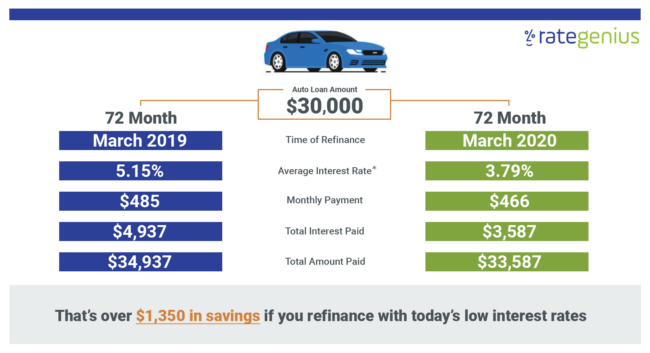
Common Refinancing Mistakes
Ignoring fees can cause surprises after refinancing. Some lenders charge application, title, or prepayment fees. These add to your costs and may cancel out savings from lower rates. Always read the fine print and ask about all fees before signing.
Extending loan terms too long may reduce monthly payments, but it increases total interest paid. A longer loan means paying more over time. Choose a term that balances monthly cost and total payment.
Not checking multiple offers limits your chances to save money. Rates and fees differ by lender. Compare at least three offers to find the best deal. Use online tools and talk to local banks or credit unions for options.
Regional Considerations
Austin, Texas has unique factors affecting car loan refinance rates. State laws in Texas set rules on interest rates and fees. These rules can limit how lenders set prices.
Local lenders in Austin often offer special deals to attract customers. These deals may include lower rates or flexible payment options. Comparing offers from different lenders can help find the best rate.
Texas has a strong market with many credit unions and banks. Credit unions often provide lower refinance rates than big banks. It is smart to check both types before deciding.
| Factor | Impact on Refinance Rates |
|---|---|
| State Regulations | Limit interest rates and fees charged by lenders |
| Local Lender Deals | Special offers and lower rates to attract borrowers |
| Credit Union vs Bank | Credit unions often offer better refinance rates |

Frequently Asked Questions
What Are The Current Refinance Rates For Cars?
Current car refinance rates typically range from 3% to 7%, depending on credit score and lender. Rates vary by location and loan term. Check with local banks or credit unions for personalized offers and the best rates available.
What Is The 2% Rule For Refinancing?
The 2% rule for refinancing means your new loan’s interest rate should be at least 2% lower than your current rate. This ensures meaningful savings on monthly payments and overall interest costs.
How Much Would A $30,000 Car Payment Be A Month?
A $30,000 car loan payment depends on interest rate and loan term. Typically, monthly payments range from $550 to $700. Use an auto loan calculator for precise estimates based on your rate and term.
How Much Is $40,000 Car Payment For 60 Months?
A $40,000 car loan over 60 months typically costs about $750 monthly. Exact payments depend on the interest rate.
Conclusion
Refinancing your car loan can save you money each month. Lower rates mean smaller payments and less interest over time. Always compare offers from different lenders before deciding. Check your credit score to find better refinance rates. A simple step today could ease your financial load tomorrow.
Keep your options open and choose the best fit for you. Don’t rush; take time to understand the terms. Refinancing can be a smart move if done carefully.
Read More
- Auto Loan Pre Approval Online: Fast, Easy, and Stress-Free Steps 2026
- Best Car Insurance Quotes Online: Save Big with Top Deals
- Truck Accident Lawyer near Me: Expert Help for Fast Claims
- Cheap Full Coverage Car Insurance: Save Big Without Sacrificing Safety
- Compare Auto Insurance Rates: Save Big with Smart Choices
- Car Insurance for New Drivers: Essential Tips to Save Big
- Dui Lawyer Free Consultation: Expert Help Without the Cost
- Car Accident Attorney near Me: Top Tips to Find the Best Help
- Best Motorcycle Insurance Quotes: Save Big with Top Providers Today
- Bad Credit Auto Loans Guaranteed Approval: Drive Today, Pay Later